
Farm-to-Table Initiatives: Building Connections With Local Restaurants
August 5, 2025 ·Agribusiness
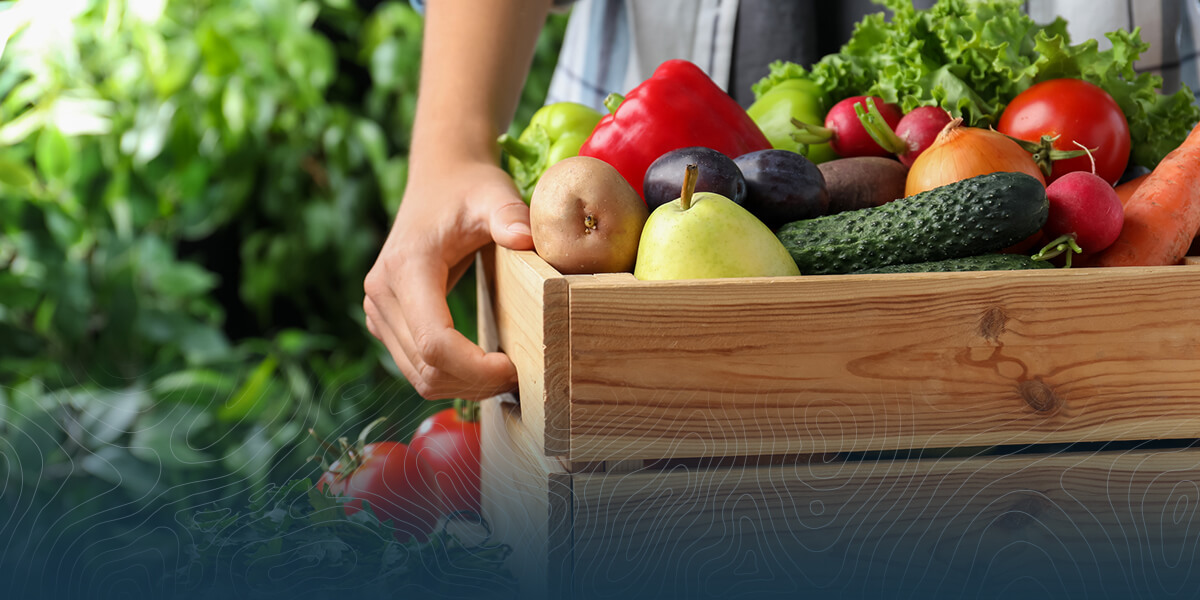
Farm-to-table initiatives are reshaping how food moves throughout local communities, offering a direct link between community farms and the restaurants serving their harvest.
In Cumberland County, where agriculture is deeply rooted in the region’s identity, these partnerships between local farmers and restaurants support fresh seasonal dining and create a more sustainable, transparent, and resilient food sourcing network that benefits businesses, consumers, and the local economy.
What Is Farm-to-Table?
Farm-to-table refers to directly sourcing ingredients from regional farms to restaurants, markets, and institutional kitchens, minimizing the distance between harvest and consumption. This approach emphasizes a traceable, transparent food supply and fosters collaboration between producers and buyers at the local level.
Farm-to-Table in Cumberland County
The farm-to-table concept works well in this region. With over 1,000 farms and 25,000 acres of preserved farmland, most of the flat fertile ground features soils that are predominantly Class 1 through 3, supporting a range of crops from corn and soybeans to hops, stone fruits, and specialty greens. The region’s proximity to major transportation corridors like Interstate 81 and several rail lines enables efficient transportation of fresh goods within hours.
Benefits for Local Farmers and Restaurants
Farm-to-table partnerships offer more than just farm-fresh ingredients for restaurants — they create a resilient, domestically rooted food system that strengthens the entire community. When done right, these relationships become a shared investment in quality, trust, and regional identity, offering these benefits:
- Fresh, high-quality ingredients: Restaurants get produce, dairy, and meats at peak freshness, enhancing flavor and presentation.
- Stronger customer appeal: Farm-to-table offerings help restaurants with fresh ingredients stand out in a competitive market.
- Cost control and customization: Restaurants using local produce can negotiate directly with farmers on price, quantity, and specialty items, reducing waste and adding menu flexibility.
- Consistent revenue opportunities for farmers: Steady restaurant accounts, especially when paired with value-added products like preserves or cheeses, can help farmers plan cash flow beyond peak seasons.
- Reduced environmental impact: Local sourcing minimizes shipping time and fuel costs while supporting sustainable practices.
- Enhanced branding and storytelling: Both restaurants and farms benefit from marketing the ingredients’ origin. This builds loyalty and reinforces community values.
- Resilient economy: Keeping dollars within Cumberland County supports job creation, land preservation, and long-term food security.
Impact of Farm-to-Table on the Local Economy
Farm-to-table is a powerful economic engine that strengthens domestic supply chains, keeping revenue within the community and supporting long-term agricultural viability. In Cumberland County, where agriculture is a cornerstone of the local economy, this model helps businesses and farms grow together by creating steady, collaborative markets for locally produced goods.
Job Creation and Retention
Farms, restaurants, farmers’ markets, and processing and distribution industries benefit from added job creation. As domestic restaurants expand their sourcing from nearby growers, they often require more staff to manage seasonal menus, coordinate with suppliers, and promote the farm connection. Meanwhile, local farms hiring to meet restaurant demand help sustain year-round agricultural jobs.
Cumberland Area Economic Development Corporation (CAEDC) helps local businesses strengthen their workforce by attracting and retaining the right people. We support educational opportunities for further education by identifying skills shortages and promoting alignment of post-secondary credential programs.
Business Growth for Farms and Restaurants
By shortening the supply chain, farm-to-table keeps more profit in the hands of community producers and chefs. Restaurants get access to unique, high-quality ingredients that elevate their menus, while farmers benefit from consistent, higher-margin sales. These relationships often lead to long-term contracts, enabling farmers to expand operations or invest in infrastructure.

Local Spending and Economic Circulation
Every dollar spent on domestic food generates more value for the community. According to national studies, eating locally sourced food circulates more revenue in the regional economy than food sourced through conventional supply chains. In Cumberland County, this translates into stronger tax bases, reinvestment in small businesses, and increased funding for community services.
Support for Agritourism and Regional Branding
Events like farm dinners, harvest festivals, and tasting trails attract visitors, which can increase the county’s tourism revenue. Local farms and restaurants working together on events or co-branded promotions amplify the area’s identity and support regional marketing efforts.
Resilience Against Supply Chain Disruptions
When national supply chains falter due to natural disasters, for example, local food systems become critical. Farm-to-table infrastructure gives communities more control over food availability and pricing, reducing reliance on distant suppliers and helping maintain business continuity.
Farm-to-Table Establishments in Cumberland County
Consumers looking to enjoy the benefits of eating at local restaurants are in luck. Cumberland County hosts a vibrant and growing farm-to-table scene, marked by several notable establishments:
- The Watershed Pub, Camp Hill: “We strive to minimize our footprint on the world by focusing on as many local and sustainable sources as possible. And our method is, as Wolfgang Puck put it, ‘buy the best raw ingredients possible, and try not to screw them up.’ We utilize small farms and vendors from Carlisle, PA, to Aberdeen, MD, and everywhere in between so you can enjoy a fresh, creative menu at The Watershed Pub,” notes Chase Nelson, General Manager, The Watershed Pub.
- Rogue Duck Hospitality: “Supporting local farmers and showcasing the incredible agriculture of the Cumberland Valley isn’t just something we do—it’s truly at the heart of who we are at Rogue Duck Hospitality!” says Kevin Rockwood, proprietor and managing partner of Rogue Duck Hospitality, which owns and operates One13Social and Pitt Street Station in downtown Carlisle.
- Ever Grain Brewing Co., Camp Hill: Ever Grain prides itself on using only fresh, local ingredients for its funky, wild ales and farmhouse style. Its seasonal menu features fresh herbs and veggies from Pennsylvania.
- 1794 The Whiskey Rebellion, Carlisle: At 1794 The Whiskey Rebellion, regional history blends with locally sourced ingredients and a strong beverage program, reinforcing its status as a culinary landmark.
- The Millworks, Harrisburg: For a rustic new American menu, head to the Millworks, which sources ingredients from domestic, sustainable farms.
Connecting Farms and Restaurants
Restaurants and farms are increasingly promoted as destinations, thanks to initiatives like agritourism events and tasting trails being integrated into broader tourism models. To establish strong partnerships, farmers and restaurants should engage through structured events like chef-farmer meetups, market shows, and farm-hosted dinners. Here, they can align on seasonal offerings, delivery timelines, and food-safety standards.
Successful agreements often involve sourcing plans that consider Pennsylvania’s licensing requirements for produce, value-added goods, and on-site dining, along with compliance with local zoning, building codes, and conservation programs like Nutrient Management Plans or Agricultural Security Areas. PennState Extension and the Cumberland County Conservation District are key partners for ensuring certification with the Food Safety Modernization Act (FSMA), water safety, and postharvest handling best practices.
Supporting Local Business Growth in Cumberland County
In Cumberland County, farm-to-table is a working model. It is sustained by land-use policy, agricultural tradition, and an active network of buyers and producers committed to local sourcing. Whether through coordinated sourcing, seasonal menu planning, or collaborative events, these partnerships are the foundation for a healthier, more connected local economy.
Since 2005, CAEDC has worked with small business owners and new entrepreneurs in the Cumberland Valley. As a nonprofit organization, CAEDC bridges the gap between business and government with financing, various incentive programs, and easier access to government programs.
Contact us today for assistance growing your business, or call us at (717) 240-7180.

