
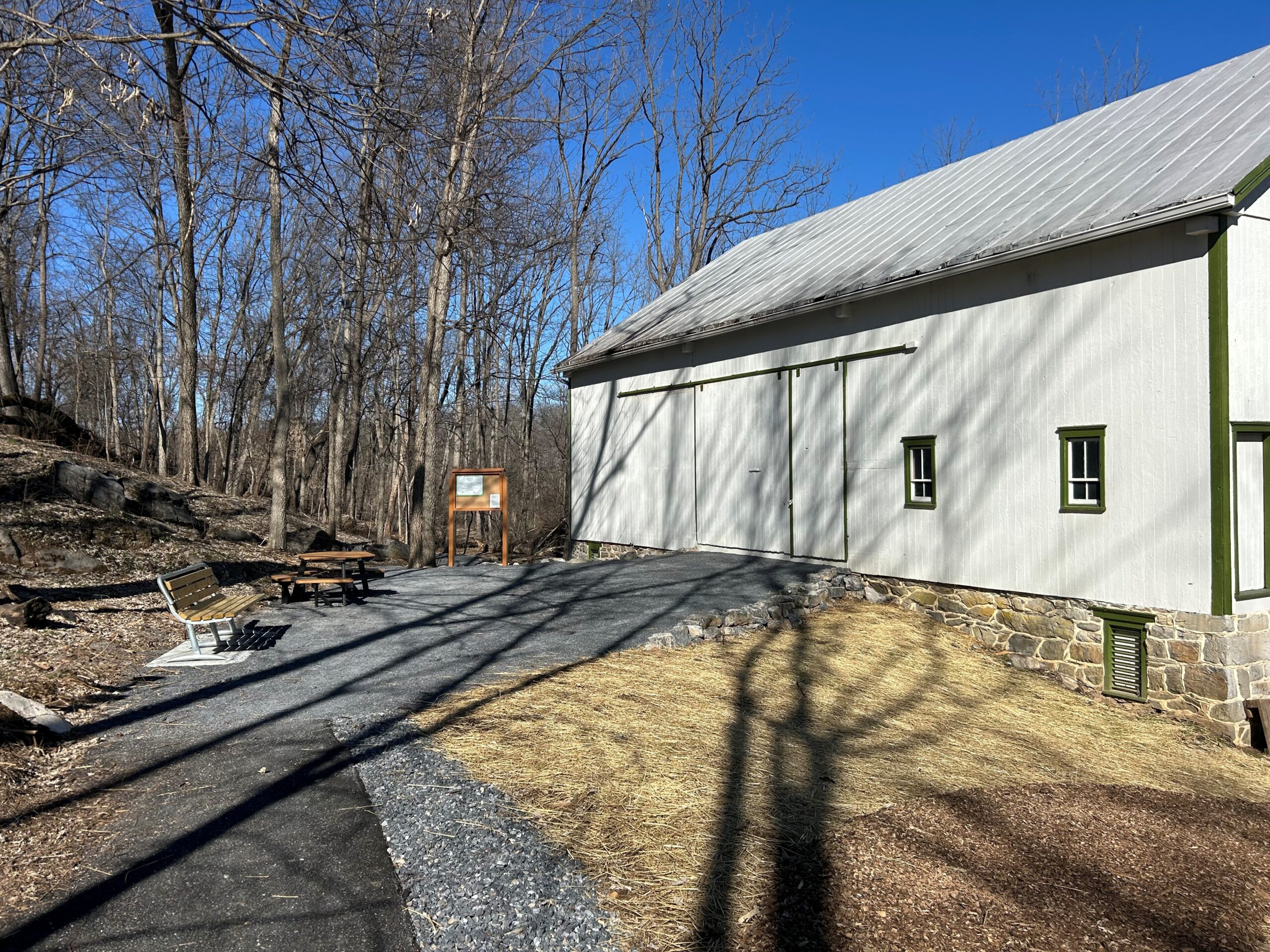
For more than 40 years, the Central Pennsylvania Conservancy (CPC), an accredited land trust headquartered in Carlisle, has protected the natural places that define the region — more than 5,000 acres in total, including over 2,100 acres now part of public state parks, forests, and game lands. Its flagship property, the Letort Spring Garden Preserve, located less than two miles from downtown Carlisle, draws an estimated 5,000 to 7,500 hikers, runners, cyclists, and nature lovers each year. Until recently, though, many of those visitors couldn’t get in. There was no formal parking lot — cars pulled onto the grassy shoulder of South Spring Garden Street, a risky arrangement that South Middleton Township has now closed off.
The preserve’s history runs far deeper than this project. Its limestone springs form the headwaters of the nationally significant Letort Spring Run, a birthplace of American fly-fishing revered since the early 1700s. Settler James Le Tort was drawn to what was then called the “Great Beaver Pond,” and Scots-Irish neighbors later named it the “Bonny Brook.” Beginning in 1892, the spring wetlands were converted into commercial watercress bogs, a use that gradually closed the site to the public for more than a century. CPC’s restoration work has returned the land to its original purpose as a shared public space. The new accessible trail and parking now connect the preserve directly to the region’s wider trail network, linking to the Letort Nature Trail and, through it, to LeTort Park in Carlisle and the Heiser’s Lane trailhead in South Middleton Township.
CPC began planning improvements to the preserve in 2020, envisioning a broader set of upgrades across the property. COVID-era disruptions and rising construction costs forced the Conservancy to scale back the project. When bids finally came in for the parking lot, the lowest offer was well above the original estimate. An anticipated DCNR funding source was later found ineligible to support part of the project, creating a new budget gap. To help close it and keep the project moving, CPC turned to Cumberland Area Economic Development Corporation’s (CAEDC) Tourism Product Development Grant program and received a $30,000 award.
The result, completed in December 2024, is a proper front door to the preserve. A new gravel lot with a dedicated ADA parking space replaces the roadside shoulder, and a 300-foot accessible asphalt trail leads visitors from the lot to the historic Melester Barn, a National Register-listed structure. Along the way, ADA-compliant benches are available; at the barn, an accessible picnic table, two interpretive kiosks, and new wayfinding signage tell the story of the preserve’s ecology and agricultural history. Volunteers planted native trees, shrubs, and wildflowers around the parking area and along the trail to complete the work. Altogether, the project totaled more than $194,000, funded by the CAEDC grant, state and regional funding, and private donations after the budget gap emerged.
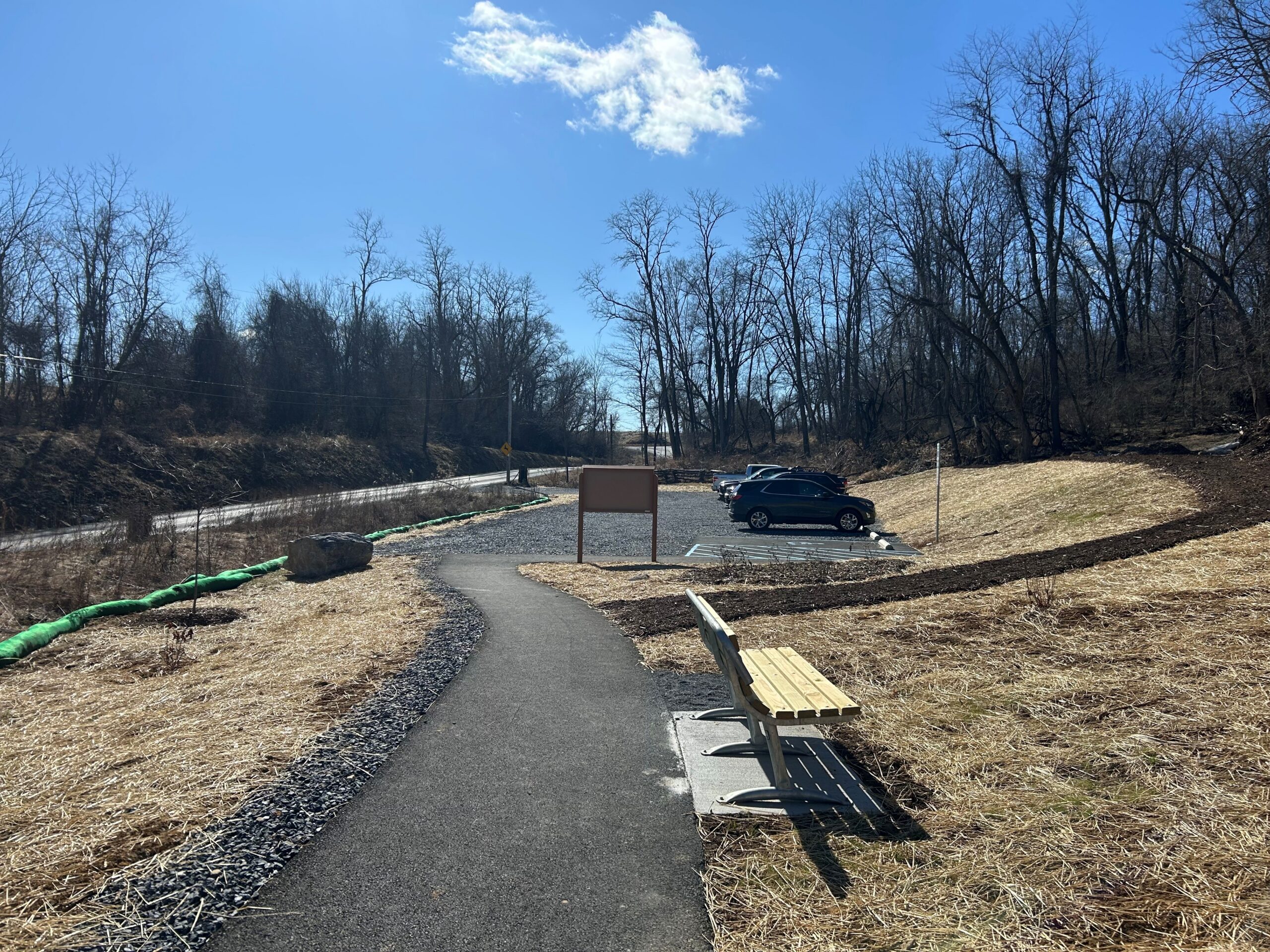
The improvements open the preserve to visitors who previously couldn’t access it. People with mobility devices or balance issues, as well as families pushing strollers, now have a smooth, scenic route to and from the barn. CPC is treating the project as an ongoing commitment rather than a finished checkbox. Outreach to groups like Disabled Hikers, along with area senior centers and assisted living facilities, ensures that the people the trail was built for actually find their way to it.
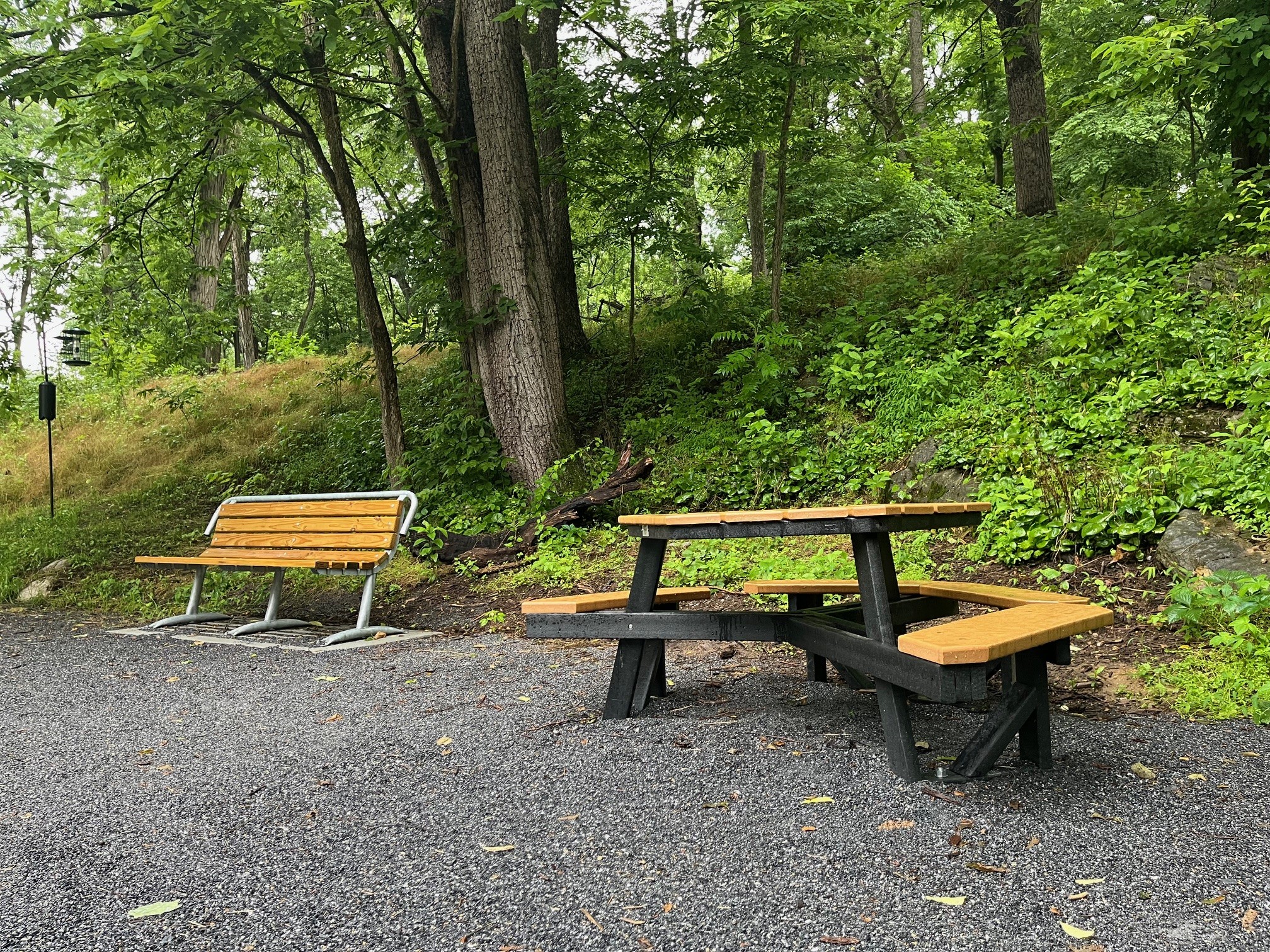
“As a result of a tourism grant from CAEDC, the Central Pennsylvania Conservancy was able to enhance access to its flagship Letort Spring Garden Preserve so that all visitors can enjoy all it has to offer, including those facing mobility challenges,” notes Cameron Weiser, Land Protection Specialist, Central Pennsylvania Conservancy.
Through its Tourism Product Development Grant program, CAEDC supports projects that enhance the visitor experience and protect the assets that make Cumberland Valley distinctive. At the Letort Spring Garden Preserve, that meant transforming a roadside shoulder into a proper trailhead and creating a place that’s finally open to everyone.
